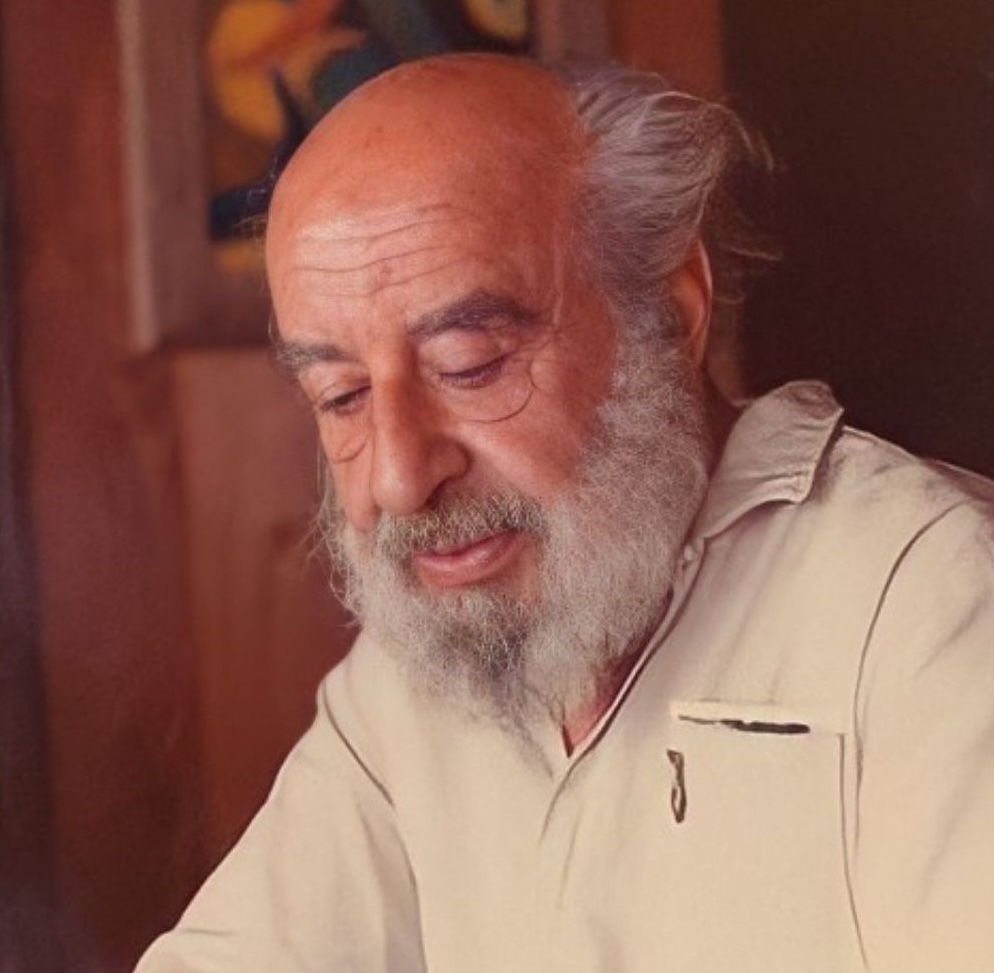
This is the title of the book we consider one of the greatest references in Gestalt Therapy. “This is Gestalt” is a collection of texts by Fritz Perls, one of the main founders of Gestalt Therapy. Perls describes Gestalt Therapy as a path of awareness, personal responsibility, and presence in the here-and-now; helping us to connect with our present experience, recognizing feelings, thoughts, and behaviors that often remain unconscious.
The Foundation of Gestalt Therapy
The word “gestalt” refers to an organized whole — something that can only be fully understood when seen as a complete entity, so Gestalt Therapy starts from an integrated view of the human being, considering emotions, thoughts, body, and behavior form an inseparable unit.
In this sense, therapeutic work aims to expand awareness. For Perls, much psychological suffering arises when we distance ourselves from what we truly feel or need. We develop automatic ways of acting, inherited from external expectations or old patterns, and fail to notice what is happening within us.
Gestalt Therapy invites individuals to rediscover this direct perception of themselves, helping them to perceive more clearly what they are living, moment by moment.
The Here and Now
One of the central principles presented in This is Gestalt is the importance of the here and now. Perls notes that much psychological suffering occurs when the mind becomes stuck in the past — through regrets, guilt, or resentment — or when it projects excessively into the future, generating anxiety and worry.
Gestalt Therapy proposes bringing attention back to the present. Still considering the past, but perceiving how it manifests now, in emotions, gestures, words, and current relationships.
During the therapeutic process, the client is invited to observe their present experiences: what they feel in the body, which thoughts arise, and how they react to situations or people. By recognizing these experiences directly, the person begins to better understand their behavioral patterns. This awareness allows for new choices — instead of automatically repeating old behaviors, the individual can respond more authentically to life’s situations.
Personal Responsibility
Another fundamental theme of the book is responsibility. For Perls, psychological maturity means recognizing that we are responsible for our choices, feelings, and actions.
Often, people attribute their problems solely to the environment, family, or external circumstances. While these factors do influence life, Gestalt Therapy helps the individual perceive their own role in how they live and respond to situations.
Assuming responsibility does not mean blame or harsh self-criticism. On the contrary, it means reclaiming the power to act and choose new paths. When a person recognizes their active participation in shaping their experience, they also discover that they can transform it.
In this sense, the therapeutic process becomes a space for learning and growth, where the client develops greater autonomy and authenticity.
Contact and Relationship
Perls emphasizes that life happens when we get in contact to the world. Emotional problems often arise when this contact becomes interrupted, distorted, or avoided. Some people may withdraw excessively from their emotions; others may overly adapt to external expectations, losing a sense of themselves.
Gestalt Therapy seeks to restore clearer and healthier contact with reality. This involves recognizing emotions, expressing needs, and perceiving personal boundaries.
The therapeutic relationship plays a crucial role in this process. Rather than a distant or purely interpretive relationship, Perls describes therapy as an authentic encounter between two people. The therapist participates actively and attentively, helping the client explore their experiences and expand their awareness.
Experience Over Explanation
A notable aspect of the approach is the emphasis on direct experience. Instead of long intellectual analyses, Perls proposes that the client experiences their emotions and perceptions concretely during sessions.
This can happen through dialogues, role-plays, mindfulness exercises, or exploration of feelings that arise in the moment. The goal is not simply to talk about problems, but to live them consciously, allowing new meanings to emerge.
For Perls, true change occurs when a person fully acknowledges what they feel and how they act. Awareness itself holds transformative potential.
Integration and Growth
Throughout the book, Perls describes psychological growth as a process of integration. We often carry parts of ourselves that have been rejected or repressed: emotions deemed inappropriate, unrecognized desires, or aspects of our personality we try to hide.
These parts do not disappear; they continue to influence our attitudes unconsciously. Gestalt Therapy seeks to bring these elements into awareness so they can be recognized and integrated.
When a person accepts different aspects of themselves, they become more complete and free to live authentically, developing greater presence, flexibility, and vitality.
Gestalt Therapy as a Path to Authenticity
In This is Gestalt, Perls presents therapy not merely as a clinical method, but as a philosophy of life. Therapeutic work aims to help individuals abandon rigid roles, imposed expectations, and automatic patterns that limit their experience.
By expanding awareness, strengthening personal responsibility, and restoring contact with the present, a person can discover more authentic ways to live, relate, and express who they truly are.
In the therapy, we create conditions for each person to recognize their own experience, develop internal resources, and find more creative and conscious ways to face life’s challenges.
In this process, the therapist acts as a facilitator of awareness — someone who accompanies the client in self-exploration, providing a space for listening, presence, and discovery.
Thus, Gestalt Therapy is presented as an invitation to presence, responsibility, and genuine contact with one’s own experience. By developing these capacities, individuals can open new paths for personal growth and transformation.